 この記事はパラサウロロフスに関するものであり、


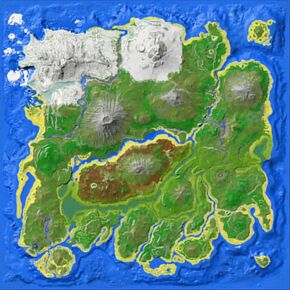
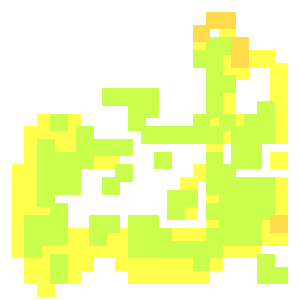
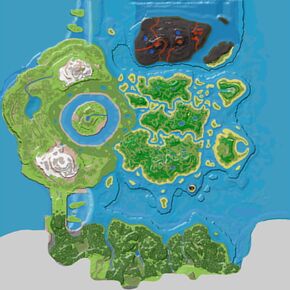

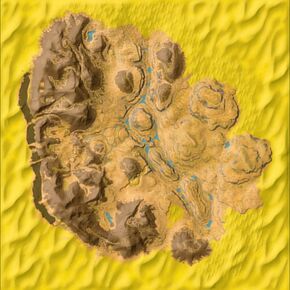
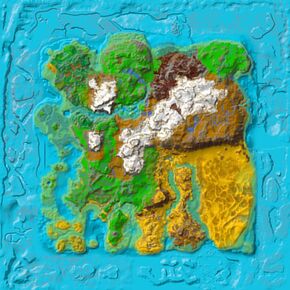

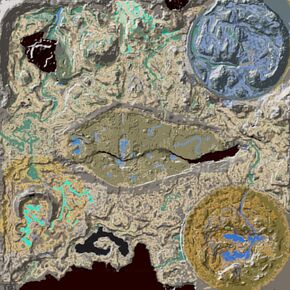

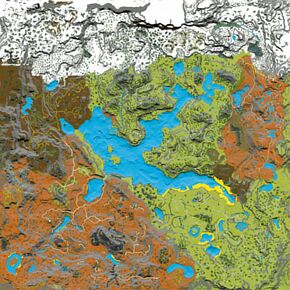


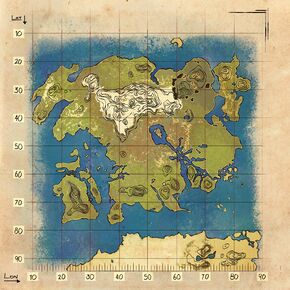
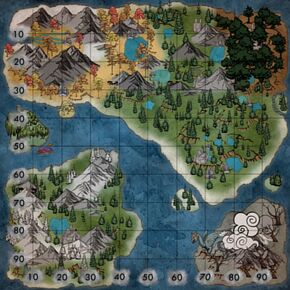





cheat summon Para_Character_BP_Ccheat SpawnDino "Blueprint'/Game/PrimalEarth/Dinos/Para/Para_Character_BP.Para_Character_BP'" 500 0 0 35cheat summon BionicPara_Character_BP_Ccheat SpawnDino "Blueprint'/Game/PrimalEarth/Dinos/Para/BionicPara_Character_BP.BionicPara_Character_BP'" 500 0 0 35cheat summon Para_Character_BP_Aberrant_Ccheat SpawnDino "Blueprint'/Game/PrimalEarth/Dinos/Para/Para_Character_BP_Aberrant.Para_Character_BP_Aberrant'" 500 0 0 35cheat summon Para_Character_BP_Escort_Ccheat SpawnDino "Blueprint'/Game/Genesis/Dinos/MissionVariants/Escort/Volcanic/Para_Character_BP_Escort.Para_Character_BP_Escort'" 500 0 0 35cheat summon Bog_Para_Character_BP_Ccheat SpawnDino "Blueprint'/Game/Genesis/Dinos/BiomeVariants/BogPara/Bog_Para_Character_BP.Bog_Para_Character_BP'" 500 0 0 35cheat summon BionicPara_Character_BP_Malfunctioned_Ccheat SpawnDino "Blueprint'/Game/PrimalEarth/Dinos/Para/BionicPara_Character_BP_Malfunctioned.BionicPara_Character_BP_Malfunctioned'" 500 0 0 35cheat summon BionicPara_Character_BP_Malfunctioned_Gauntlet_Ccheat SpawnDino "Blueprint'/Game/Genesis/Dinos/MissionVariants/Gauntlet/Lunar/BionicPara_Character_BP_Malfunctioned_Gauntlet.BionicPara_Character_BP_Malfunctioned_Gauntlet'" 500 0 0 35cheat summon BionicPara_Character_BP_Malfunctioned_Retrieve_Ccheat SpawnDino "Blueprint'/Game/Genesis/Dinos/MissionVariants/Retrieve/Lunar/BionicPara_Character_BP_Malfunctioned_Retrieve.BionicPara_Character_BP_Malfunctioned_Retrieve'" 500 0 0 35cheat summon Para_Character_BP_Eden_Ccheat SpawnDino "Blueprint'/Game/Genesis2/Dinos/BiomeVariants/Para_Character_BP_Eden.Para_Character_BP_Eden'" 500 0 0 35cheat summon Para_Character_BP_STA_Ccheat SpawnDino "Blueprint'/Game/Genesis2/Missions/ModularMission/Gauntlet2/STA/Dinos/Para_Character_BP_STA.Para_Character_BP_STA'" 500 0 0 35cheat summon Para_Character_BP_LifeSupport_Ccheat SpawnDino "Blueprint'/Game/Genesis2/Missions/ModularMission/LifeSupport/Dinos/Para_Character_BP_LifeSupport.Para_Character_BP_LifeSupport'" 500 0 0 35cheat summon Para_Character_BP_ExpG_Ccheat SpawnDino "Blueprint'/Game/Genesis2/Missions/ModularMission/Mashup/ExperimentG/DinosAndStructures/Para_Character_BP_ExpG.Para_Character_BP_ExpG'" 500 0 0 35cheat summon Para_Character_BP_ExpG_Pod_Ccheat SpawnDino "Blueprint'/Game/Genesis2/Missions/ModularMission/Mashup/ExperimentG/DinosAndStructures/Para_Character_BP_ExpG_Pod.Para_Character_BP_ExpG_Pod'" 500 0 0 35 なし
なし できる
できる












|
“ | Parasaur, because they're basically like real life horses and probably wouldn't be too difficult or costly to keep. Plus cute. | „ |
| ~ Jen's chosen animal if ARK is real[1] |
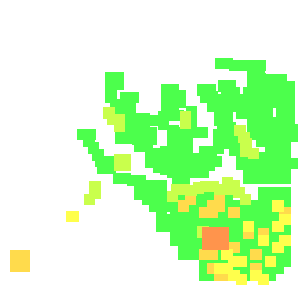
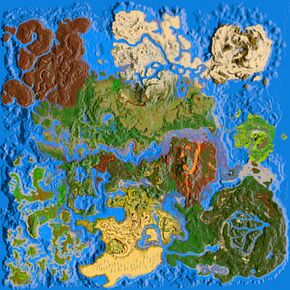
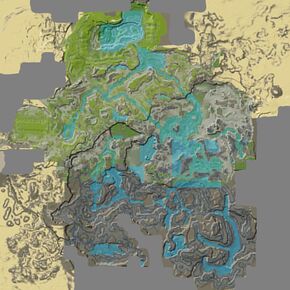
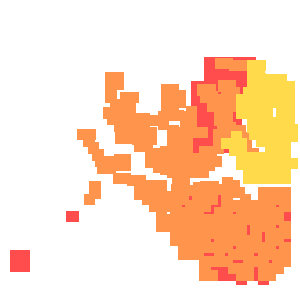
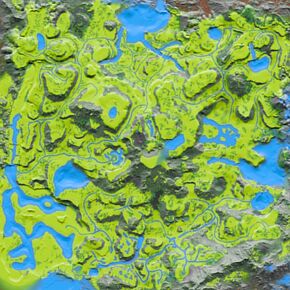
パラサウロロフス(par-ah-SAWR-OL-uh-fus)またはParasaurは、ARK: Survival Evolvedの恐竜の1つです。 Iguanodonと同じ役割を果たしますが、ゲームのかなり早い段階で手なずけることができることから、「貧乏人の Iguanodon」とも呼ばれています。中型のハドロサウルス系の恐竜で、ARK全体に生息しており、海岸や草原に生息し、襲ってくる捕食者から逃げています。
このセクションは、サバイバーであるヘレナ・ウォーカーが書いた調査書を、正確にコピーすることを目的としています。この文章とゲーム内の生物との間には若干の食い違いがあるかもしれません。

Parasaurolophus amphibio
生息年代白亜紀後期
食性植物食
気性臆病
このパラサウロロフスの亜種には、私がこれまで島で見てきた中でも、より興味深い適応器官があります。それは他のパラサウロロフスと同様、頭部の特徴的な隆起です。普段は非常に従順で、私も何度かすんなりと彼らに近づくことができました。しかし、パラサウロロフスは一度驚くと叫び声を上げて周囲に危険を知らせます。パラサウロロフスは食物連鎖の底辺付近にいるようで、他の生物にも人間にも狩られることが多く、臆病な性格なのもうなずけます。逃げるパラサウロロフスに追いついて倒すことができれば、肉や皮をたくさん手に入れることができます。
多くのトライブはパラサウロロフスを飼いならすのは無意味だと考えている一方で、群れを飼いならした女性と出会ったこともあります。彼女は、この生き物の真価を見逃している人が多いと話してくれました。飼いならすのが比較的簡単な恐竜であるパラサウロロフスは、私がこれまで島で見た中で最も一般的な騎乗動物です。移動速度が比較的速く、長時間移動が可能な点は移動手段として優秀ですが、自身や騎乗者を守る術はほとんど持っていません。しかしながら、小型生物は、攻撃される訳ではないのにパラサウロロフスの角におびえる様子を見せます。運べる荷物の量も比較的多く、まだ島で拠点を築いていないトライブの役には立つでしょう。
Parasaurs are one of the passive dinosaurs, and will not fight back even when attacked and when you take one of their eggs. However, the Parasaur is one of the fastest sprinting dinosaurs in the ARK, and can be quite tricky to catch.
Despite the dossier claiming them as a useless tame, they do have several practical uses, especially for low levels. These animals are extremely sensitive to their environment, and as such, when placed in “Turret mode” detect and alert the player to any possibly hostile creature/player in the area. (Note: this does not include territorial animals such as Therizinosaurus) This allows players to create a fairly large detection network around even the most primitive of bases, although while in turret mode, they are unable to move, making them easy targets, and use up food at a much more rapid pace. It’s also not perfect, alerting to some non-hostiles, including baby animals (which can be useful to a certain extent).
In addition, this detection ability can be manually triggered while riding, making this animal invaluable while exploring new territory, or traveling through dangerous territories that a player might not want to take a more valuable animal through, as they’re fast and nearly impossible to sneak up on if their “ping” used regularly.
A large, bipedal dinosaur of the hadrosaurid/duck-billed variety, the Parasaur is well known for its long, arching head crest and duck bill. They most often appear as variations of red, brown, and green, oftentimes with vibrant, red, white, or yellow spines. You can also find them in tan or black but it is very rare. From a distance they can be confused for a Carnotaurus or vice versa, as they’re similar in size, basic shape and movement appearance when passive, so make sure to note head shape, arms, and bulk of the body, particularly around the base of the tail, as the Carnotaurus is more lean.
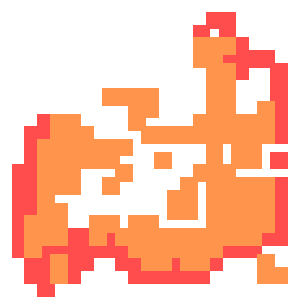
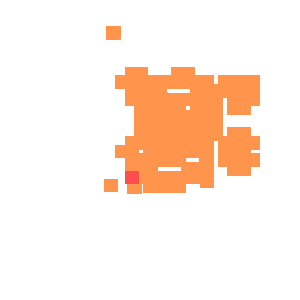
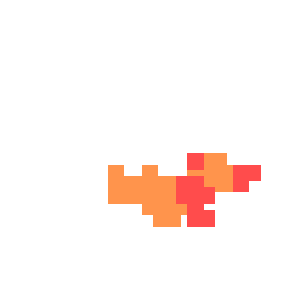
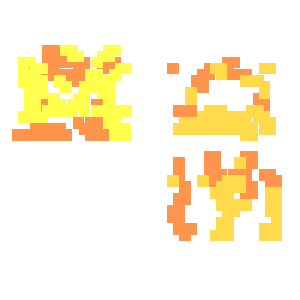
このセクションでは、パラサウロロフスの自然な色と領域が表示されます。デモンストレーションのために、以下の領域はアルビノのパラサウロロフスの上に赤色で着色されています。各領域の説明の下に表示される色付きの四角形は、自然な配色の全体的な範囲を提供するためにパラサウロロフスがランダムにスポーンする色です。色の上にカーソルを置くと、その色の名前とIDが表示されます。
この情報を使用して、チートコンソールにcheat SetTargetDinoColor <ColorRegion> <ColorID>と入力することにより、パラサウロロフスの領域を変更できます。たとえば、cheat SetTargetDinoColor 0 6はパラサウロロフスの"body"がmagenta色になります。


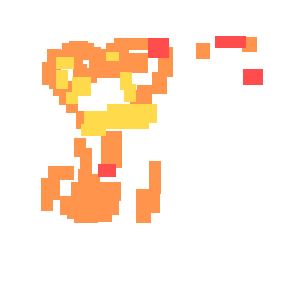
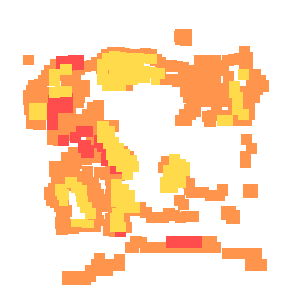
このセクションでは、パラサウロロフスの自然な色と領域が表示されます。デモンストレーションのために、以下の領域はアルビノのパラサウロロフスの上に赤色で着色されています。各領域の説明の下に表示される色付きの四角形は、自然な配色の全体的な範囲を提供するためにパラサウロロフスがランダムにスポーンする色です。色の上にカーソルを置くと、その色の名前とIDが表示されます。
この情報を使用して、チートコンソールにcheat SetTargetDinoColor <ColorRegion> <ColorID>と入力することにより、パラサウロロフスの領域を変更できます。たとえば、cheat SetTargetDinoColor 0 6はパラサウロロフスの"body"がmagenta色になります。

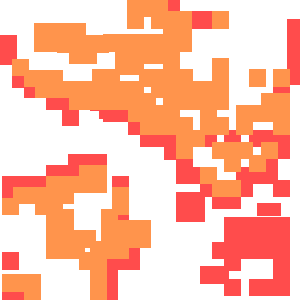
このセクションでは、パラサウロロフスの自然な色と領域が表示されます。デモンストレーションのために、以下の領域はアルビノのパラサウロロフスの上に赤色で着色されています。各領域の説明の下に表示される色付きの四角形は、自然な配色の全体的な範囲を提供するためにパラサウロロフスがランダムにスポーンする色です。色の上にカーソルを置くと、その色の名前とIDが表示されます。
この情報を使用して、チートコンソールにcheat SetTargetDinoColor <ColorRegion> <ColorID>と入力することにより、パラサウロロフスの領域を変更できます。たとえば、cheat SetTargetDinoColor 0 6はパラサウロロフスの"main"がmagenta色になります。


このセクションでは、パラサウロロフスの自然な色と領域が表示されます。デモンストレーションのために、以下の領域はアルビノのパラサウロロフスの上に赤色で着色されています。各領域の説明の下に表示される色付きの四角形は、自然な配色の全体的な範囲を提供するためにパラサウロロフスがランダムにスポーンする色です。色の上にカーソルを置くと、その色の名前とIDが表示されます。
この情報を使用して、チートコンソールにcheat SetTargetDinoColor <ColorRegion> <ColorID>と入力することにより、パラサウロロフスの領域を変更できます。たとえば、cheat SetTargetDinoColor 0 6はパラサウロロフスの"inner body"がmagenta色になります。
このセクションでは、パラサウロロフスの自然な色と領域が表示されます。デモンストレーションのために、以下の領域はアルビノのパラサウロロフスの上に赤色で着色されています。各領域の説明の下に表示される色付きの四角形は、自然な配色の全体的な範囲を提供するためにパラサウロロフスがランダムにスポーンする色です。色の上にカーソルを置くと、その色の名前とIDが表示されます。
この情報を使用して、チートコンソールにcheat SetTargetDinoColor <ColorRegion> <ColorID>と入力することにより、パラサウロロフスの領域を変更できます。たとえば、cheat SetTargetDinoColor 0 6はパラサウロロフスの"lower body"がmagenta色になります。

Region 1 is not used
for this Creature.


このセクションでは、パラサウロロフスの自然な色と領域が表示されます。デモンストレーションのために、以下の領域はアルビノのパラサウロロフスの上に赤色で着色されています。各領域の説明の下に表示される色付きの四角形は、自然な配色の全体的な範囲を提供するためにパラサウロロフスがランダムにスポーンする色です。色の上にカーソルを置くと、その色の名前とIDが表示されます。
この情報を使用して、チートコンソールにcheat SetTargetDinoColor <ColorRegion> <ColorID>と入力することにより、パラサウロロフスの領域を変更できます。たとえば、cheat SetTargetDinoColor 0 6はパラサウロロフスの"unknown"がmagenta色になります。
|
|
“ | The most beautiful Tek dino ever. 😍 | „ |
| ~ Jen[2] |
The Tek Parasaur is a creature that was permanently added to the game in the Extinction Chronicles IV event. It is a unique alternate of the original Parasaur, and is purely made of Tek. Unlike the original, they spawn at a 5% rate, with a 20% higher level than usual.
| 能力値 | 基準値 | レベルアップ | テイムボーナス | ||
|---|---|---|---|---|---|
| 野性生物 | テイム生物 | 追加 | 増加 | ||
 体力 体力 |
200 | +40 | +5.4% | 0.07 | |
 スタミナ スタミナ |
450 | +45 | +10% | ||
 酸素量 酸素量 |
150 | +15 | +10% | ||
 食料 食料 |
1500 | +150 | +10% | ||
 重量 重量 |
480 | +9.6 | +4% | ||
 近接攻撃力 近接攻撃力 |
12 | +0.6 | +1.7% | 7% | 17.6% |
 移動速度 移動速度 |
100% | N/A | +1% | 67% | |
 気絶値 気絶値 |
150 | +9 | N/A | 0.5 | |
| 移動 [u/s] |
基本速度 | スプリント速度 | スタミナ | ||||
|---|---|---|---|---|---|---|---|
| 野生 | テイム1 | テイム2 | 野生 | テイム1 | テイム2 | ||
| 歩行 | 200 | ? | ? | 916.5 | 458.25 | 765.2775 | 4 |
| 水泳 | 450 | ? | ? | ? | ? | ? | ? |
| 能力値 | 基準値 | レベルアップ | テイムボーナス | ||
|---|---|---|---|---|---|
| 野性生物 | テイム生物 | 追加 | 増加 | ||
| 体力 |
200 | +40 | +5.4% | 0.07 | -4% |
| スタミナ |
450 | +45 | +10% | ||
| 酸素量 |
150 | +15 | +10% | ||
| 食料 |
1500 | +150 | +10% | ||
| 重量 |
480 | +9.6 | +4% | ||
| 近接攻撃力 |
12 | +0.6 | +1.7% | 7% | 17.6% |
| 移動速度 |
100% | N/A | +1% | 67% | |
| 気絶値 |
150 | +9 | N/A | 0.5 | |
| 移動 [u/s] |
基本速度 | スプリント速度 | スタミナ | ||||
|---|---|---|---|---|---|---|---|
| 野生 | テイム1 | テイム2 | 野生 | テイム1 | テイム2 | ||
| 歩行 | 200 | ? | ? | 916.5 | 458.25 | 765.2775 | 4 |
| 水泳 | 450 | ? | ? | ? | ? | ? | ? |
野生生物の値を入力すると、どのステータスが目立っているかがわかります。高レベルの生物の値が緑色であれば、繁殖には非常に適しています。すでに生物をテイムしている場合は、外部ツールを使って繁殖用のステータスを取り戻すことができます。[3]
stat-calculatorはモバイルビューでは機能しません。代替方法についてはこちらをご覧ください: Apps
生物がテイムされた後は、テイム効果に応じていくつかのステータスにボーナスを得ることに注意してください。このため、テイムされた生物のレベルを取得することは困難です。したがって、このツールは野生生物のみを対象としていますが、ステータスがどのように配分されているかという第一印象を与えることができます。
野生生物の飼い方に関する一般的な情報はテイムを参照してください。
Knocking a Parasaur out is a tough thing to do, as they will run much quicker than humans can, once they are attacked. One of the best strategies is to get the Parasaur stuck between some rocks or trees and merely punch it. Be careful not to damage it once it is knocked out as that affects the taming effectiveness.
There is also another method of knocking out a Parasaur, this method consists of using the bolas on its legs which immobilizes the creature. This leads to the creature being open to punches/slingshots which will eventually knock it out.
Another method is to use multiple players to "pen" the Parasaur into a location it can't escape, leading it towards rocks or structures.
 Level 1 Level 1
|

|

|

|
時間 | |
|---|---|---|---|---|---|
 キブル(基本) キブル(基本)
|
1 | 0 | 0 | 0 | 0:00:32 |
.png) 新鮮な大麦 新鮮な大麦 
|
10 | 0 | 0 | 0 | 0:04:00 |
.png) 新鮮な小麦 新鮮な小麦
|
10 | 0 | 0 | 0 | 0:04:00 |
.png) 大豆 大豆
|
10 | 0 | 0 | 0 | 0:04:00 |
| 乾燥小麦
|
10 | 0 | 0 | 0 | 0:08:00 |
 メジョベリー メジョベリー
|
14 | 0 | 0 | 0 | 0:04:12 |
 ベリー ベリー
|
20 | 0 | 0 | 0 | 0:04:00 |
気絶するまで:  × 15, × 15,  × 7, × 7,  × 2, × 2,  × 1, × 1,  × 1, × 1,  × 1 × 1
| |||||
| 気絶値の減少値: 0.3 / 秒, 気絶状態から回復する時間: 00:08:20 | |||||
| Level 30
|
|
|
|
時間 | |
|---|---|---|---|---|---|
| キブル(基本)
|
3 | 0 | 0 | 0 | 0:01:36 |
| 新鮮な大麦
|
24 | 0 | 0 | 0 | 0:09:36 |
| 新鮮な小麦
|
24 | 0 | 0 | 0 | 0:09:36 |
| 大豆
|
24 | 0 | 0 | 0 | 0:09:36 |
| 乾燥小麦
|
24 | 19 | 4 | 2 | 0:19:12 |
| メジョベリー
|
32 | 0 | 0 | 0 | 0:09:36 |
| ベリー
|
47 | 0 | 0 | 0 | 0:09:24 |
| 気絶するまで: × 42, × 17, × 5, × 3, × 2, × 1
| |||||
| 気絶値の減少値: 0.5 / 秒, 気絶状態から回復する時間: 00:13:44 | |||||
| Level 60
|
|
|
|
時間 | |
|---|---|---|---|---|---|
| キブル(基本)
|
4 | 0 | 0 | 0 | 0:02:08 |
| 新鮮な大麦
|
38 | 0 | 0 | 0 | 0:15:12 |
| 新鮮な小麦
|
38 | 0 | 0 | 0 | 0:15:12 |
| 大豆
|
38 | 0 | 0 | 0 | 0:15:12 |
| 乾燥小麦
|
38 | 54 | 12 | 6 | 0:30:24 |
| メジョベリー
|
50 | 0 | 0 | 0 | 0:15:00 |
| ベリー
|
75 | 0 | 0 | 0 | 0:15:00 |
| 気絶するまで: × 69, × 28, × 8, × 5, × 4, × 2
| |||||
| 気絶値の減少値: 0.66 / 秒, 気絶状態から回復する時間: 00:17:27 | |||||
| Level 90
|
|
|
|
時間 | |
|---|---|---|---|---|---|
| キブル(基本)
|
6 | 0 | 0 | 0 | 0:03:12 |
| 新鮮な大麦
|
52 | 4 | 1 | 1 | 0:20:48 |
| 新鮮な小麦
|
52 | 4 | 1 | 1 | 0:20:48 |
| 大豆
|
52 | 4 | 1 | 1 | 0:20:48 |
| 乾燥小麦
|
52 | 103 | 22 | 11 | 0:41:36 |
| メジョベリー
|
69 | 3 | 1 | 1 | 0:20:42 |
| ベリー
|
104 | 4 | 1 | 1 | 0:20:48 |
| 気絶するまで: × 96, × 39, × 11, × 7, × 5, × 3
| |||||
| 気絶値の減少値: 0.79 / 秒, 気絶状態から回復する時間: 00:20:08 | |||||

|
Level 1
|
|
|
|
Time | |
|---|---|---|---|---|---|---|

|
メジョベリー
|
15 | 0 | 0 | 0 | 0:04:30 |
| ベリー
|
23 | 0 | 0 | 0 | 0:04:36 | |

|
メジョベリー
|
5 | 0 | 0 | 0 | 0:01:30 |
| ベリー
|
8 | 0 | 0 | 0 | 0:01:36 | |
|
|
メジョベリー
|
1 | 0 | 0 | 0 | 0:00:18 |
| ベリー
|
1 | 0 | 0 | 0 | 0:00:12 | |

|
メジョベリー
|
1 | 0 | 0 | 0 | 0:00:18 |
| ベリー
|
1 | 0 | 0 | 0 | 0:00:12 | |
KO: × 15; × 7; × 2; × 1;  × 1; × 1;  × 1; × 1; × 1 × 1; × 1; × 1
| ||||||
| Torpidity-depletion: 0.3 / s, Time until all torpidity is depleted: 00:08:20 | ||||||
|
|
Level 30
|
|
|
|
Time | |
|---|---|---|---|---|---|---|
|
|
メジョベリー
|
36 | 0 | 0 | 0 | 0:10:48 |
| ベリー
|
54 | 0 | 0 | 0 | 0:10:48 | |
|
|
メジョベリー
|
12 | 0 | 0 | 0 | 0:03:36 |
| ベリー
|
18 | 0 | 0 | 0 | 0:03:36 | |
|
|
メジョベリー
|
2 | 0 | 0 | 0 | 0:00:36 |
| ベリー
|
2 | 0 | 0 | 0 | 0:00:24 | |
|
|
メジョベリー
|
1 | 0 | 0 | 0 | 0:00:18 |
| ベリー
|
1 | 0 | 0 | 0 | 0:00:12 | |
| KO: × 42; × 17; × 5; × 3; × 3; × 2; × 2; × 1
| ||||||
| Torpidity-depletion: 0.5 / s, Time until all torpidity is depleted: 00:13:44 | ||||||
|
|
Level 75
|
|
|
|
Time | |
|---|---|---|---|---|---|---|
|
|
メジョベリー
|
68 | 7 | 2 | 1 | 0:20:24 |
| ベリー
|
102 | 7 | 2 | 1 | 0:20:24 | |
|
|
メジョベリー
|
23 | 0 | 0 | 0 | 0:06:54 |
| ベリー
|
34 | 0 | 0 | 0 | 0:06:48 | |
|
|
メジョベリー
|
3 | 0 | 0 | 0 | 0:00:54 |
| ベリー
|
4 | 0 | 0 | 0 | 0:00:48 | |
|
|
メジョベリー
|
1 | 0 | 0 | 0 | 0:00:18 |
| ベリー
|
1 | 0 | 0 | 0 | 0:00:12 | |
| KO: × 82; × 34; × 10; × 6; × 5; × 4; × 4; × 2
| ||||||
| Torpidity-depletion: 0.72 / s, Time until all torpidity is depleted: 00:18:53 | ||||||
|
|
Level 150
|
|
|
|
Time | |
|---|---|---|---|---|---|---|
|
|
メジョベリー
|
122 | 74 | 17 | 9 | 0:36:36 |
| ベリー
|
183 | 74 | 17 | 9 | 0:36:36 | |
|
|
メジョベリー
|
41 | 0 | 0 | 0 | 0:12:18 |
| ベリー
|
61 | 0 | 0 | 0 | 0:12:12 | |
|
|
メジョベリー
|
5 | 0 | 0 | 0 | 0:01:30 |
| ベリー
|
7 | 0 | 0 | 0 | 0:01:24 | |
|
|
メジョベリー
|
1 | 0 | 0 | 0 | 0:00:18 |
| ベリー
|
1 | 0 | 0 | 0 | 0:00:12 | |
| KO: × 150; × 61; × 17; × 10; × 9; × 7; × 7; × 4
| ||||||
| Torpidity-depletion: 1.04 / s, Time until all torpidity is depleted: 00:24:00 | ||||||
|
|
Level 300
|
|
|
|
Time | |
|---|---|---|---|---|---|---|
|
|
メジョベリー
|
229 | 302 | 71 | 36 | 1:08:42 |
| ベリー
|
343 | 301 | 70 | 35 | 1:08:36 | |
|
|
メジョベリー
|
77 | 0 | 0 | 0 | 0:23:06 |
| ベリー
|
115 | 0 | 0 | 0 | 0:23:00 | |
|
|
メジョベリー
|
8 | 0 | 0 | 0 | 0:02:24 |
| ベリー
|
12 | 0 | 0 | 0 | 0:02:24 | |
|
|
メジョベリー
|
1 | 0 | 0 | 0 | 0:00:18 |
| ベリー
|
1 | 0 | 0 | 0 | 0:00:12 | |
| KO: × 285; × 116; × 32; × 19; × 16; × 12; × 13; × 7
| ||||||
| Torpidity-depletion: 1.59 / s, Time until all torpidity is depleted: 00:29:53 | ||||||
|
|
Level 450
|
|
|
|
Time | |
|---|---|---|---|---|---|---|
|
|
メジョベリー
|
336 | 610 | 148 | 74 | 1:40:48 |
| ベリー
|
504 | 610 | 148 | 74 | 1:40:48 | |
|
|
メジョベリー
|
112 | 0 | 0 | 0 | 0:33:36 |
| ベリー
|
168 | 0 | 0 | 0 | 0:33:36 | |
|
|
メジョベリー
|
12 | 0 | 0 | 0 | 0:03:36 |
| ベリー
|
17 | 0 | 0 | 0 | 0:03:24 | |
|
|
メジョベリー
|
1 | 0 | 0 | 0 | 0:00:18 |
| ベリー
|
2 | 0 | 0 | 0 | 0:00:24 | |
| KO: × 420; × 172; × 47; × 27; × 24; × 18; × 19; × 10
| ||||||
| Torpidity-depletion: 2.08 / s, Time until all torpidity is depleted: 00:33:37 | ||||||
数値は最適な場合のものであり、常に予備を用意してください。
レベルに応じて必要な資源を計算するには、外部のTaming calculatorをご利用ください。
This section describes how to fight against the Parasaur.
Fighting a Parasaur holds no inherent danger, as they will flee upon initiating. The main risk from attempting to kill / KO a Parasaur is that while giving chase, the Parasaur leads the player into hostile territory. Parasaurs will not react if you steal their eggs.
The most efficient method is to initiate with a  Bola strike to the legs, immobilizing the Parasaur more than long enough to knock it down with a Wooden Club or spear it to death. Without a Bola, the Parasaur will run away when threatened, often getting itself stuck on rocks or trees, again leaving it vulnerable. A good idea for players without the bola engram is to position yourself away from where you wish to scare the Parasaur into such as a dead end or trees, this can turn a potentially lengthy chase into a quick kill. Quickly volley arrows into it or spears so it cannot get a chance to run in the first place.
  Dilo are good when trying to kill this dino at very little cost. A small pack of three or four will slow the parasaur to a speed the player can get some hits with a spear and kill it before it recovers.
Any weaponry will suffice in taking down a Parasaur, as long as it is used to its highest efficiency. Melee weapons should be used by launching an impromptu attack on the head for greater damage. Ranged weapons can take one down during a chase.
The Parasaur may run into more hostile areas when being chased, increasing the risk of aggravating more dangerous dinosaurs. A casual hunting party can be devastated by the appearance of a  Rex.
Rex.
Because Parasaurs are able to clip into other dinosaurs, you may find running into them while hunting with a mount causes the Parasaur to lock into place. Otherwise, their relatively low health, fleeing nature and large size make them easy prey for a player of any level.
|
|
“ | Would be interesting! Right now we encourage the taming of dinos to carry more stuff. Parasaurs are great for this! | „ |
| ~ Jen about backpack suggestion[4] |
 Trike or
  Stego; just be mindful of their narrow hit radius when munching berry plants.
 Phoenix, make it a perfect choice of finding it outside Heatwave weather event.
 Raptor or
  Sabertooth, they are faster than
  Phiomia. Unlike other options however, the Parasaur is reasonably fast in and underwater; making it a good choice as it can outrun land based threats and outswim water based threats. With this and low stamina drain, even a reasonably trained Parasaur is capable of diving to underwater caves after some speed and oxygen investment. Consider leveling only speed and some oxygen, with stamina as needed. Their “ping” ability also detects nearby possible enemies. Combined with the fact that they’re relatively expendable, they’re an idea choice for exploration or quick travel through dangerous territory.
 Deinonychus Egg Thief, they can scare away
  Deinonychus and Raptors in area then you can easily take the Egg. with their high
  Health they can bear Deinonychus Attacks and bleeding.
 Araneo
 Arthropluera
 Baryonyx
 Compy
Compy Dilo
Dilo Direwolf
 Deinonychus
 Hyaenodon
 Ichthyornis
 Kaprosuchus
 Leech
Leech Mantis
 Microraptor
 Meganeura
 Onyc
Onyc Pegomastax
 Pulmonoscorpius
 Raptor
 Ravager
 Sabertooth
 Terror Bird
 Titanomyrma
 Troodon
 Vulture
| 資源 | 効率 |
|---|---|
 わら わら
|
★★☆☆☆ |
 ベリー ベリー
|
★★☆☆☆ |
 木材 木材
|
★☆☆☆☆ |
 種 種
|
★☆☆☆☆ |
現実世界のパラサウロロフスに関する情報については、関連するウィキペディアの記事を参照してください。
 Thorny Dragon and the
  Ravager.
| Patch | 変更点 |
|---|---|
| 171.0 | The  Parasaur ARK Founder Saddle Skin now properly applies on the Parasaur ARK Founder Saddle Skin now properly applies on the  Parasaur Saddle Parasaur Saddle
|
| 171.6 | Parasaur ARK Founder Skin now shows correct icon on the Parasaur Saddle |
| 224.3 | Fixed issue with Parasaur not being attacked by wild creatures |
| 256.0 | New sound effects for the Parasaurolophus |
| 259.0 | Increased Parasaur  Stamina by 50% and increased its Stamina by 50% and increased its  Movement Speed in the water Movement Speed in the water
|
| 260.0 | Changed the name of the Parasaur ARK Founder Skin to Parasaur Stylish Saddle Skin
|
| 275.0 Aberration Expansion Release | Added the  Aberrant Parasaurolophus Aberrant Parasaurolophus
|
| 279.22 TLC Phase 2 | Recieves a sound tweak, animation update, and some new abilities:
|
| 279.23 |
|
| 283.101 | Added the  Tek Parasaurolophus Tek Parasaurolophus
|
| 291.100 | Mesh Memory Optimizations for the Parasaur Saddle
|
| 306.41 | Added the  X-Parasaurolophus and X-Parasaurolophus and  Malfunctioned Tek Parasaur Malfunctioned Tek Parasaur
|
| 309.53 | Parasaurs are no longer able to detect bodies that are not visible or not rendered |

A Parasaur.

Parasaur with a human crouching on its back, to scale

Two Parasaurs demonstrating  Parasaur Stylish Saddle Skin and
  Dino Glasses

1st person view when riding

Tek Parasaur


