 この記事はティタノボアに関するものであり、


 できる1
できる1 できない
できない


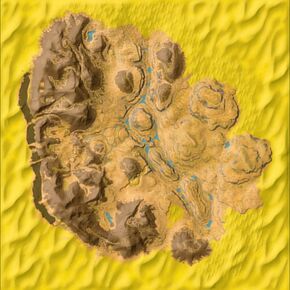
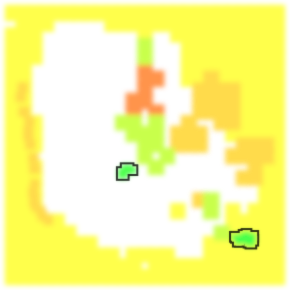
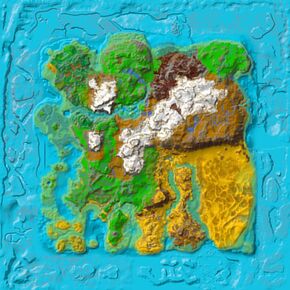
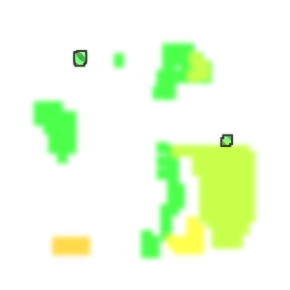
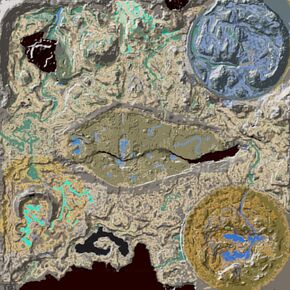
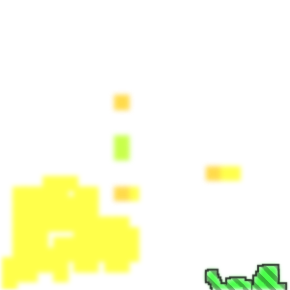
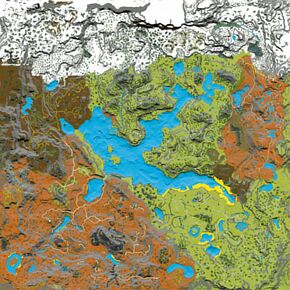
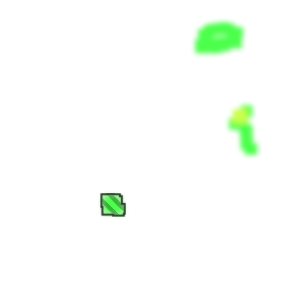

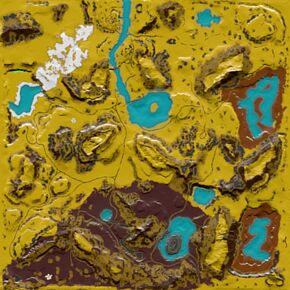

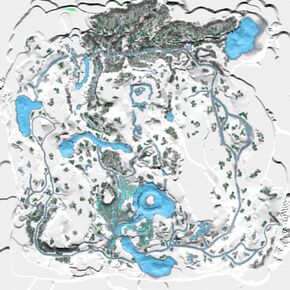

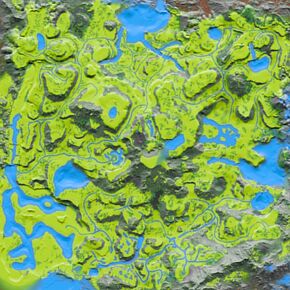




cheat summon BoaFrill_Character_BP_Ccheat SpawnDino "Blueprint'/Game/PrimalEarth/Dinos/BoaFrill/BoaFrill_Character_BP.BoaFrill_Character_BP'" 500 0 0 35cheat summon BoaFrill_Character_BP_Aberrant_Ccheat SpawnDino "Blueprint'/Game/PrimalEarth/Dinos/BoaFrill/BoaFrill_Character_BP_Aberrant.BoaFrill_Character_BP_Aberrant'" 500 0 0 35cheat summon BoaFrill_Character_BP_Escort_Ccheat SpawnDino "Blueprint'/Game/Genesis/Dinos/MissionVariants/Escort/Bog/BoaFrill_Character_BP_Escort.BoaFrill_Character_BP_Escort'" 500 0 0 35cheat summon BoaFrill_Character_BP_Gauntlet_Ccheat SpawnDino "Blueprint'/Game/Genesis/Dinos/MissionVariants/Gauntlet/Bog/BoaFrill_Character_BP_Gauntlet.BoaFrill_Character_BP_Gauntlet'" 500 0 0 35cheat summon BoaFrill_Character_BP_Retrieve_Ccheat SpawnDino "Blueprint'/Game/Genesis/Dinos/MissionVariants/Retrieve/Bog/BoaFrill_Character_BP_Retrieve.BoaFrill_Character_BP_Retrieve'" 500 0 0 35cheat summon BoaFrill_Character_BP_Summoned_Ccheat SpawnDino "Blueprint'/Game/Genesis2/Dinos/Summoner/SummonedDinos/BoaFrill_Character_BP_Summoned.BoaFrill_Character_BP_Summoned'" 500 0 0 35cheat summon BoaFrill_Character_BP_STA_Ccheat SpawnDino "Blueprint'/Game/Genesis2/Missions/ModularMission/Gauntlet2/STA/Dinos/BoaFrill_Character_BP_STA.BoaFrill_Character_BP_STA'" 500 0 0 35cheat summon BoaFrill_Character_BP_CorrMaze_Ccheat SpawnDino "Blueprint'/Game/Genesis2/Missions/ModularMission/Maze/CorruptedZone/Dinos/BoaFrill_Character_BP_CorrMaze.BoaFrill_Character_BP_CorrMaze'" 500 0 0 35


ティタノボア(Ty-tan-o-bo-ah)は、ARK: Survival Evolvedの生物の一種です。
このセクションは、サバイバーであるヘレナ・ウォーカーが書いた調査書を、正確にコピーすることを目的としています。この文章とゲーム内の生物との間には若干の食い違いがあるかもしれません。

Titanoboa exornantur
生息年代Paleocene
食性Carnivore
気性Aggressive
島の暗い洞窟でのみ見つかるティタノボアは冷たく、暗い、岩の多い地域を好む攻撃的な生物です。この非常に大きな蛇は類似の種のように獲物を締め付けたりしません。私はこの適応は巨大昆虫との共存によるものだと信じています。ティタノボアはこの島の洞窟にいるクモやサソリとの奇妙な協力関係を構築しました。麻痺毒に耐性があることと、昆虫の固いキチン質を貫通できないことから、彼らは共存という概念を学んだようです。しばしば共に大型の獲物を狩る場面を見ることができます。
麻痺毒に耐性があるため、ティタノボアは基本的に意識を失うことがありません。意識を失わせるという基本的な工程が踏めないため、私はティタノボアをテイムすることはできないと確信しています。
Very aggressive, belligerent and relentless, the Titanoboa will pursue and attack most creatures (except other predators), which includes players who dare to approach one. Caves offer a safe location for Titanoboas to mingle with other creatures. They are also found in swamps, where they will attack whatever they can sink their fangs into. Although not amphibious like the  Beelzebufo, they are adept at swimming. The attack of a Titanoboa increases
  Torpor, which can neutralize incoming players who are unable to fight this crippling game mechanic.
The Titanoboa is a constrictor snake of immense size, dwarfing even the largest anacondas. Thick and bulky, they are found in sizeable numbers in the island's swamps, ambushing prey from the shallows and crushing it between its coils; they are also found in large caves, where their apparent immunity to invertebrate toxins protects them from the caves' other denizens. Their bulk precludes them from the attention of most predators, but if threatened the giant snake will flare a frill about its neck and strike out, biting with several rows of recurved, needle-like teeth.
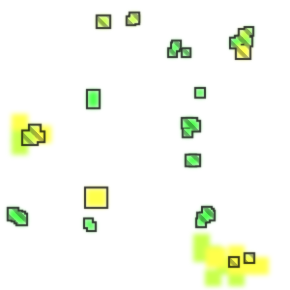
このセクションでは、ティタノボアの自然な色と領域が表示されます。デモンストレーションのために、以下の領域はアルビノのティタノボアの上に赤色で着色されています。各領域の説明の下に表示される色付きの四角形は、自然な配色の全体的な範囲を提供するためにティタノボアがランダムにスポーンする色です。色の上にカーソルを置くと、その色の名前とIDが表示されます。
この情報を使用して、チートコンソールにcheat SetTargetDinoColor <ColorRegion> <ColorID>と入力することにより、ティタノボアの領域を変更できます。たとえば、cheat SetTargetDinoColor 0 6はティタノボアの"body"がmagenta色になります。


ティタノボアの毒は、30%の確率でドロップします。
| 能力値 | 基準値 | レベルアップ | テイムボーナス | ||
|---|---|---|---|---|---|
| 野性生物 | テイム生物 | 追加 | 増加 | ||
 体力 体力 |
170 | +34 | +5.4% | 0.07 | |
 スタミナ スタミナ |
150 | +15 | +10% | ||
 酸素量 酸素量 |
N/A | N/A | N/A | ||
 食料 食料 |
1200 | +120 | +10% | ||
 重量 重量 |
150 | +3 | +4% | ||
 近接攻撃力 近接攻撃力 |
30 | +1.5 | +1.7% | 7% | 17.6% |
 移動速度 移動速度 |
100% | N/A | +1% | 20% | |
 気絶値 気絶値 |
175 | +10.5 | N/A | 0.5 | |
| 移動 [u/s] |
基本速度 | スプリント速度 | スタミナ | ||||
|---|---|---|---|---|---|---|---|
| 野生 | テイム1 | テイム2 | 野生 | テイム1 | テイム2 | ||
| 歩行 | 225 | ? | ? | 378 | 630 | 756 | 6 |
| 水泳 | 400 | ? | ? | ? | ? | ? | ? |
野生生物の値を入力すると、どのステータスが目立っているかがわかります。高レベルの生物の値が緑色であれば、繁殖には非常に適しています。すでに生物をテイムしている場合は、外部ツールを使って繁殖用のステータスを取り戻すことができます。[1]
stat-calculatorはモバイルビューでは機能しません。代替方法についてはこちらをご覧ください: Apps
生物がテイムされた後は、テイム効果に応じていくつかのステータスにボーナスを得ることに注意してください。このため、テイムされた生物のレベルを取得することは困難です。したがって、このツールは野生生物のみを対象としていますが、ステータスがどのように配分されているかという第一印象を与えることができます。
To tame the Titanoboa you have to drop a fertile egg near it, while it is not distracted in any way (it doesn't work if the Titanoboa is aggroed to attacking something, including your character). The Titanoboa will "attack" the egg and eat it, gaining taming progress. The ancestry (e.g. the levels of the parents) of each fertilized egg will not affect the taming speed.
The best way is to drop the egg from above while riding a flying mount. But drop the egg from your own inventory, for when you drop the egg from the mount's inventory, the Titanoboa will ignore it.
All eggs have to be fertilized, non-fertilized eggs will not work. The eggs in the following tables are representing all egg-types of their group. The other eggs belonging to the same group are listed below the tables. All eggs in a group have the same taming-effects. Once the Titanoboa is tamed, it will only eat eggs as a source of food(similar to the Achatina with vegetable cakes), the eggs do not need to be fertilized.
 Level 1 Level 1
|
給餌間隔 | 時間 | |
|---|---|---|---|
 ギガノトサウルスの受精卵 ギガノトサウルスの受精卵
|
3 | 11:15 | 0:22:31 |
 ブロントサウルスの受精卵 ブロントサウルスの受精卵
|
4 | 08:20 | 0:25:01 |
 ディメトロドンの受精卵 ディメトロドンの受精卵
|
4 | 06:40 | 0:20:01 |
 アロサウルスの受精卵 アロサウルスの受精卵
|
6 | 04:07 | 0:20:38 |
 モレラトプスの受精卵 モレラトプスの受精卵
|
8 | 03:13 | 0:22:31 |
 バリオニクスの受精卵 バリオニクスの受精卵
|
10 | 02:25 | 0:21:53 |
 オヴィラプトルの受精卵 オヴィラプトルの受精卵
|
11 | 02:03 | 0:20:38 |
 アンキロサウルスの受精卵 アンキロサウルスの受精卵
|
13 | 01:41 | 0:20:19 |
 始祖鳥の受精卵 始祖鳥の受精卵
|
16 | 01:20 | 0:20:01 |
| Level 30
|
給餌間隔 | 時間 | |
|---|---|---|---|
| ギガノトサウルスの受精卵
|
7 | 08:45 | 0:52:31 |
| ブロントサウルスの受精卵
|
8 | 07:08 | 0:50:01 |
| ディメトロドンの受精卵
|
10 | 05:33 | 0:50:01 |
| アロサウルスの受精卵
|
14 | 03:42 | 0:48:08 |
| モレラトプスの受精卵
|
17 | 02:59 | 0:47:49 |
| バリオニクスの受精卵
|
21 | 02:17 | 0:45:57 |
| オヴィラプトルの受精卵
|
25 | 01:57 | 0:46:53 |
| アンキロサウルスの受精卵
|
30 | 01:37 | 0:46:53 |
| 始祖鳥の受精卵
|
37 | 01:17 | 0:46:16 |
| Level 60
|
給餌間隔 | 時間 | |
|---|---|---|---|
| ギガノトサウルスの受精卵
|
10 | 08:20 | 1:15:01 |
| ブロントサウルスの受精卵
|
12 | 06:49 | 1:15:01 |
| ディメトロドンの受精卵
|
15 | 05:21 | 1:15:01 |
| アロサウルスの受精卵
|
21 | 03:36 | 1:12:12 |
| モレラトプスの受精卵
|
26 | 02:55 | 1:13:08 |
| バリオニクスの受精卵
|
33 | 02:15 | 1:12:12 |
| オヴィラプトルの受精卵
|
39 | 01:55 | 1:13:08 |
| アンキロサウルスの受精卵
|
46 | 01:35 | 1:11:53 |
| 始祖鳥の受精卵
|
58 | 01:16 | 1:12:31 |
| Level 90
|
給餌間隔 | 時間 | |
|---|---|---|---|
| ギガノトサウルスの受精卵
|
14 | 08:04 | 1:45:01 |
| ブロントサウルスの受精卵
|
16 | 06:40 | 1:40:01 |
| ディメトロドンの受精卵
|
20 | 05:15 | 1:40:01 |
| アロサウルスの受精卵
|
29 | 03:33 | 1:39:42 |
| モレラトプスの受精卵
|
35 | 02:53 | 1:38:27 |
| バリオニクスの受精卵
|
45 | 02:14 | 1:38:27 |
| オヴィラプトルの受精卵
|
53 | 01:54 | 1:39:23 |
| アンキロサウルスの受精卵
|
63 | 01:35 | 1:38:27 |
| 始祖鳥の受精卵
|
79 | 01:15 | 1:38:46 |
| Level 120
|
給餌間隔 | 時間 | |
|---|---|---|---|
| ギガノトサウルスの受精卵
|
17 | 07:58 | 2:07:31 |
| ブロントサウルスの受精卵
|
20 | 06:34 | 2:05:01 |
| ディメトロドンの受精卵
|
25 | 05:12 | 2:05:01 |
| アロサウルスの受精卵
|
37 | 03:32 | 2:07:12 |
| モレラトプスの受精卵
|
45 | 02:52 | 2:06:34 |
| バリオニクスの受精卵
|
57 | 02:13 | 2:04:42 |
| オヴィラプトルの受精卵
|
67 | 01:54 | 2:05:38 |
| アンキロサウルスの受精卵
|
80 | 01:34 | 2:05:01 |
| 始祖鳥の受精卵
|
100 | 01:15 | 2:05:01 |
| Level 150
|
給餌間隔 | 時間 | |
|---|---|---|---|
| ギガノトサウルスの受精卵
|
21 | 07:52 | 2:37:31 |
| ブロントサウルスの受精卵
|
25 | 06:30 | 2:36:16 |
| ディメトロドンの受精卵
|
31 | 05:10 | 2:35:01 |
| アロサウルスの受精卵
|
44 | 03:31 | 2:31:16 |
| モレラトプスの受精卵
|
54 | 02:51 | 2:31:53 |
| バリオニクスの受精卵
|
69 | 02:13 | 2:30:57 |
| オヴィラプトルの受精卵
|
81 | 01:53 | 2:31:53 |
| アンキロサウルスの受精卵
|
97 | 01:34 | 2:31:34 |
| 始祖鳥の受精卵
|
121 | 01:15 | 2:31:16 |
数値は最適な場合のものであり、常に予備を用意してください。
レベルに応じて必要な資源を計算するには、外部のTaming calculatorをご利用ください。
 Fertilized Giganotosaurus Egg
 Fertilized Bronto Egg
 Fertilized Bronto Egg
 Fertilized Diplo Egg
 Fertilized Dimetrodon Egg
 Fertilized Dimetrodon Egg
 Fertilized Quetzal Egg
 Fertilized Rex Egg
 Fertilized Sarco Egg
 Fertilized Yutyrannus Egg
 Fertilized Glowtail Egg
 Fertilized Allosaurus Egg
 Fertilized Allosaurus Egg
 Fertilized Argentavis Egg
 Fertilized Carno Egg
 Fertilized Kentro Egg
 Fertilized Megalosaurus Egg
 Fertilized Spino Egg
 Fertilized Stego Egg
 Fertilized Therizino Egg
 Fertilized Camelsaurus Egg
 Fertilized Camelsaurus Egg
 Fertilized Pachyrhino Egg
 Fertilized Thorny Dragon Egg
 Fertilized Trike Egg
 Fertilized Baryonyx Egg
 Fertilized Baryonyx Egg
 Fertilized Ichthyornis Egg
 Fertilized Kaprosuchus Egg
 Fertilized Megalania Egg
 Fertilized Pachycephalosaurus Egg
 Fertilized Pelagornis Egg
 Fertilized Pteranodon Egg
 Fertilized Raptor Egg
 Fertilized Tapejara Egg
 Fertilized Terror Bird Egg
 Fertilized Wyvern Egg
 Fertilized Featherlight Egg
 Fertilized Rock Drake Egg
 Fertilized Oviraptor Egg
 Fertilized Ankylo Egg
 Fertilized Ankylo Egg
 Fertilized Dimorph Egg
 Fertilized Gallimimus Egg
 Fertilized Iguanodon Egg
 Fertilized Moschops Egg
 Fertilized Moth Egg
 Fertilized Parasaur Egg
 Fertilized Vulture Egg
 Fertilized Archaeopteryx Egg
 Fertilized Archaeopteryx Egg
 Fertilized Compy Egg
 Fertilized Dilo Egg
 Fertilized Dodo Egg
 Fertilized Hesperornis Egg
 Fertilized Kairuku Egg
 Fertilized Lystro Egg
 Fertilized Microraptor Egg
 Fertilized Pegomastax Egg
 Fertilized Troodon Egg
 Fertilized Turtle Egg
This section describes how to fight against the Titanoboa.
The Titanoboa, although it deals a low amount of damage, is deadly because of its immobilizing venom. Just a single bite increases your Torpor at an alarming rate. Their awkward bodies can allow them to climb impossible slopes or stick to ceilings and drop on unsuspecting survivors, so stay wary and keep your weapons equipped. They cannot breed meaning they can't receive bonus stats from being partners.
The best strategy is distance, stay back and take them down. If you're forced to be within striking distance, it's best to carry some  Stimulant or
  Stimberries with you as a combatant against its venom. It should be said that many creatures in the cave can carry Stimberries on them, while this is not ideal it can prove life-saving. Furthermore, shields can prevent further Torpor increase whilst utilising Stimberries.
Titanoboas are slow and awkward, so you're better off keeping your distance and peppering them from afar. Their large bodies ensure that  Shotguns are devastating in the caves or in the swamp and most mounts can ignore the Torpor and trounce the Titanoboa soundly. If not too encumbered, simply walking backwards and shoving a
  Spear or
  Pike in their face can usually do the trick. Since their head shot modifier is 3x it advise to bring a
  Bow or
  Crossbow for defense. As with most creatures, the hit box is larger than the collision box, so even if it does not make the "smacking sound", the attack still can hit. This tactic also works great for
  Sarcos.
Their venom is extremely potent and they're capable of hiding in odd locations. Watch your corners and be ready to run or cover your allies if they are downed but not dead. It is also important to check your surroundings for more dangerous creatures such as sarcos - if you happen to get knocked out, you will be defenseless against any nearby predators.
Their large bodies are also a hindrance as they have difficulty fitting through some small gaps. Most tames, even  Dimorphodon are quite capable of ignoring the torpor effect and shredding the relatively fragile Titanoboa. They lose melee soundly to an even moderately equipped survivor, providing they beat a hasty retreat before the venom proves their end.
 Pulmonoscorpius, meaning it applies Torpor at twice the rate of a Pulmonoscorpius of equal level, and both of them are able to be carried by an Argentavis. They aren't recommended to tame, you may need those
  Fertilized Eggs more than a titanoboa, try taming a Scorpion or an
  Araneo instead for raising enemy's Torpor. Even though the titanoboa is the best for that.
現実世界のティタノボアに関する情報については、関連するウィキペディアの記事を参照してください。
 Onycs or Scorpions depending on the cave.
 Carbonemys and Titanoboa were contemporaries. They both lived in the jungle rivers of what is now Colombia 60 million years ago.
 Dilophosaur.
 Wooden Catwalk "lip" to the edge of your walls to stop them from paying an unexpected visit.
 Wooden Club. This is presumably useful to reduce its food for later taming, but too dangerous compared to its worth.
 Arthropluera the Titanoboa can breathe underwater.
 Feces.
 Overseer to maintain their presence in the ecosystem, because they are completely unable to breed or their population is unable to recover manually.
Carbonemys. They didn't coexist with Sarcosuchus, the second largest crocodile genus in prehistory, they did share habitat with the even larger crocodile Purussaurus. This crocodile had a thicker body and larger skull, with a size comparable to the game's
Overseer to maintain their presence in the ecosystem, because they are completely unable to breed or their population is unable to recover manually.
Carbonemys. They didn't coexist with Sarcosuchus, the second largest crocodile genus in prehistory, they did share habitat with the even larger crocodile Purussaurus. This crocodile had a thicker body and larger skull, with a size comparable to the game's  Basilosaurus. They would have come to frequent conflict with Titanoboas.
An Aberrant Titanoboa has glowing dorsal patterning.


